
A successful rental listing does more than attract clicks: it turns qualified interest into scheduled viewings and, ultimately, signed leases. Three methods consistently help get prospective tenants through the door: pricing a home against current local competition, presenting it with clear, compelling photos and details, and making inquiries and viewings easy to complete. These steps matter in a market where renters have choices: the U.S. Census Bureau reported a national rental vacancy rate of 6.9% in the fourth quarter of 2023. Vacancy and demand vary by location, so landlords should use local evidence rather than assume one tactic or price works everywhere.
Rental marketing improves when pricing reflects the local market
Rental pricing is the advertised cost of occupying a property, considered alongside its features, condition, location, and the terms of the lease. The U.S. Department of Housing and Urban Development’s rental-market analysis treats rents and vacancies as market indicators that should be interpreted in local context. For an individual landlord, that means comparing a home with genuinely similar available rentals—not relying only on a national average or the rent a neighbor once achieved.
A price that is out of line with comparable properties can reduce inquiries and prolong vacancy; pricing competitively can put the listing in front of more suitable prospects. The relevant comparison is not just the monthly rent. Prospective tenants may also weigh utilities, deposits, parking, pet policies, lease length, and the condition of the home.
Compare true rental comparables
Rental comparables—often called “comps”—are nearby properties with similar size, bedroom count, condition, amenities, and lease terms. Review active listings and, where available, recently rented homes. Give more weight to properties in the same neighborhood and of similar quality than to a larger or newly renovated home several miles away.
A practical comparison includes the advertised rent, included utilities, parking, laundry, outdoor space, pet rules, and any move-in costs. Check listings again before publishing: asking rents can change, and an advertised price does not always reveal what a tenant ultimately pays.
Use vacancy and inquiry patterns to adjust
Vacancy is the share of rental units that are empty and available, while inquiry patterns show how renters are responding to a particular listing. The Census Bureau’s 6.9% U.S. rental vacancy estimate for the fourth quarter of 2023 provides broad context, not a recommended vacancy target or a direct forecast for any one property. Local conditions can differ substantially by city, neighborhood, and housing type.
Track how many qualified inquiries, viewing requests, and completed tours the listing receives. If comparable homes attract interest while yours does not, revisit the rent, photos, description, and viewing availability before assuming the property itself is the problem. This makes pricing a testable part of the marketing strategy rather than a guess.
Rental presentation turns online interest into viewing requests
Rental presentation is the way a property’s condition, layout, features, and terms are communicated to potential tenants. It includes photography, the written listing, and the impression created when someone visits. Accurate, useful presentation helps renters decide whether a home fits their needs and reduces wasted viewings caused by unclear or misleading information.
The National Association of Realtors’ 2023 Profile of Home Buyers and Sellers found that 41% of buyers began their search online. That finding concerns home buyers, not renters, so it should not be treated as a rental-market conversion statistic. It does, however, illustrate the broader role of digital property discovery—and why rental listings need to communicate well on screen before a prospective tenant decides to book a tour.
Use clear, accurate photos and descriptions
A strong rental listing uses bright, well-framed photographs of the actual property, including the main living areas, kitchen, bedrooms, bathrooms, and any important amenities. Prepare rooms by tidying them, opening blinds, and removing distracting clutter. Do not use images that misrepresent the property or conceal material issues; the photos should match what a visitor will see.
The description should state the essentials plainly: rent, lease term, availability date, bedroom and bathroom count, included utilities, parking, pet policy, application requirements, and any relevant accessibility features. Specific details help tenants screen themselves in or out before spending time arranging a visit.
Make the home ready for an in-person tour
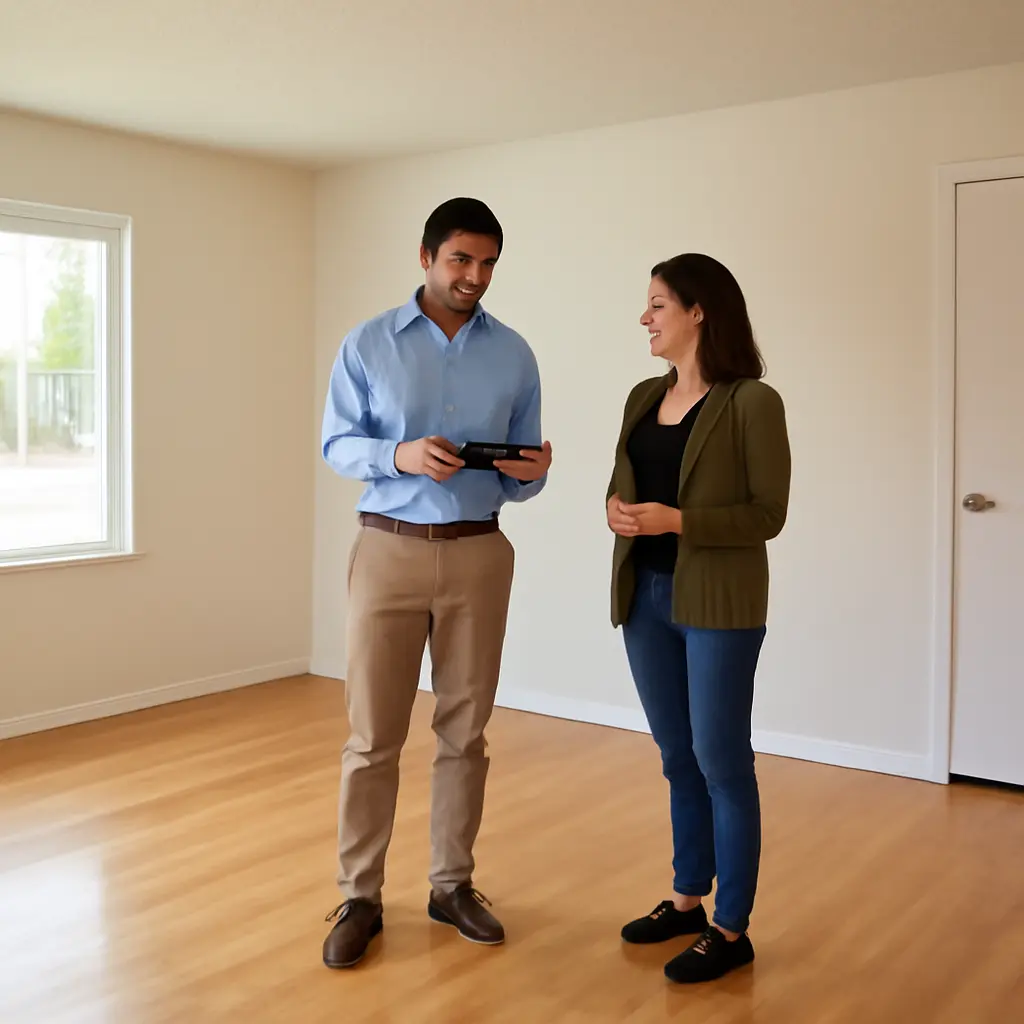
A viewing is an opportunity for prospective tenants to assess condition, comfort, and fit. Before a tour, clean the home, address obvious maintenance issues, ensure lights and appliances work, and make access straightforward. If the unit is occupied, agree on notice and scheduling in line with the lease and applicable law.
Be prepared to answer questions consistently about the lease, deposits, utilities, maintenance, and application process. If there are limitations—such as a shared entrance or construction nearby—explain them accurately. Clear expectations build trust and help prevent misunderstandings after a tenant applies.
Rental access converts qualified leads into completed tours
Rental access is the process of responding to a prospective tenant, arranging a viewing, and providing a safe, lawful way to enter the property. Even an attractive listing can lose interested renters if messages go unanswered or the available viewing times are too limited. A prompt, organized process reduces friction between the first inquiry and the visit.
Respond promptly and give useful information
A useful response confirms whether the property is still available, answers the person’s stated questions, and offers specific viewing times. Where possible, include the address or meeting instructions, expected tour length, and any documents or identification needed for access. Use the same factual information for all prospects and avoid asking questions that could violate fair-housing protections.
Keep a simple record of inquiries, responses, and appointments. This helps an owner or agent follow up fairly, avoid double-booking, and identify where prospects are dropping out. If many people ask the same question, update the listing so the answer is available before they contact you.
Offer flexible, safe viewing options
Flexible scheduling means offering more than one reasonable viewing window, including options outside standard business hours when practical. Group tours can work for high-demand properties, while individual appointments may suit occupied homes or prospects who need more time. Remote video tours can help renters narrow options, but they should supplement—not misrepresent—the actual property.
Safety and legal compliance are essential. Confirm identity in a consistent, lawful manner, protect the privacy and belongings of current occupants, and follow local rules for notice and entry. Do not leave a property unsecured or rely on an unattended lockbox without appropriate safeguards and authorization.
Measure the path from inquiry to visit
A simple leasing funnel tracks four stages: inquiries received, qualified prospects, tours booked, and tours completed. Comparing these counts over time helps distinguish a pricing or presentation problem from an access problem. For example, many inquiries but few bookings may point to slow replies or inconvenient scheduling; bookings that do not become visits may signal unclear instructions or weak confirmation practices.
There is no single conversion benchmark that applies to every rental. Property type, season, neighborhood demand, advertising channel, and screening criteria all affect results. Use the property’s own performance and comparable local listings to guide changes, and evaluate one adjustment at a time where possible.
Conclusion: combine pricing, presentation, and access
Getting tenants through the door depends on three connected practices: price the rental against relevant local comparables, present it accurately with useful photos and details, and make inquiries and viewings easy to arrange. National vacancy figures provide context, but local evidence and the listing’s own inquiry-to-tour pattern are more useful for day-to-day decisions. Review your competing rentals, refresh the listing, respond consistently, and track completed tours so you can improve the process based on results.
Sources: U.S. Census Bureau, Quarterly Residential Vacancies and Homeownership, Fourth Quarter 2023, https://www.census.gov/housing/hvs/files/currenthvspress.pdf; U.S. Department of Housing and Urban Development, Comprehensive Housing Market Analyses, https://www.huduser.gov/portal/ushmc/chma_archive.html; National Association of Realtors, 2023 Profile of Home Buyers and Sellers, https://www.nar.realtor/research-and-statistics/research-reports/highlights-from-the-profile-of-home-buyers-and-sellers